How to Know When a Robot Is Done
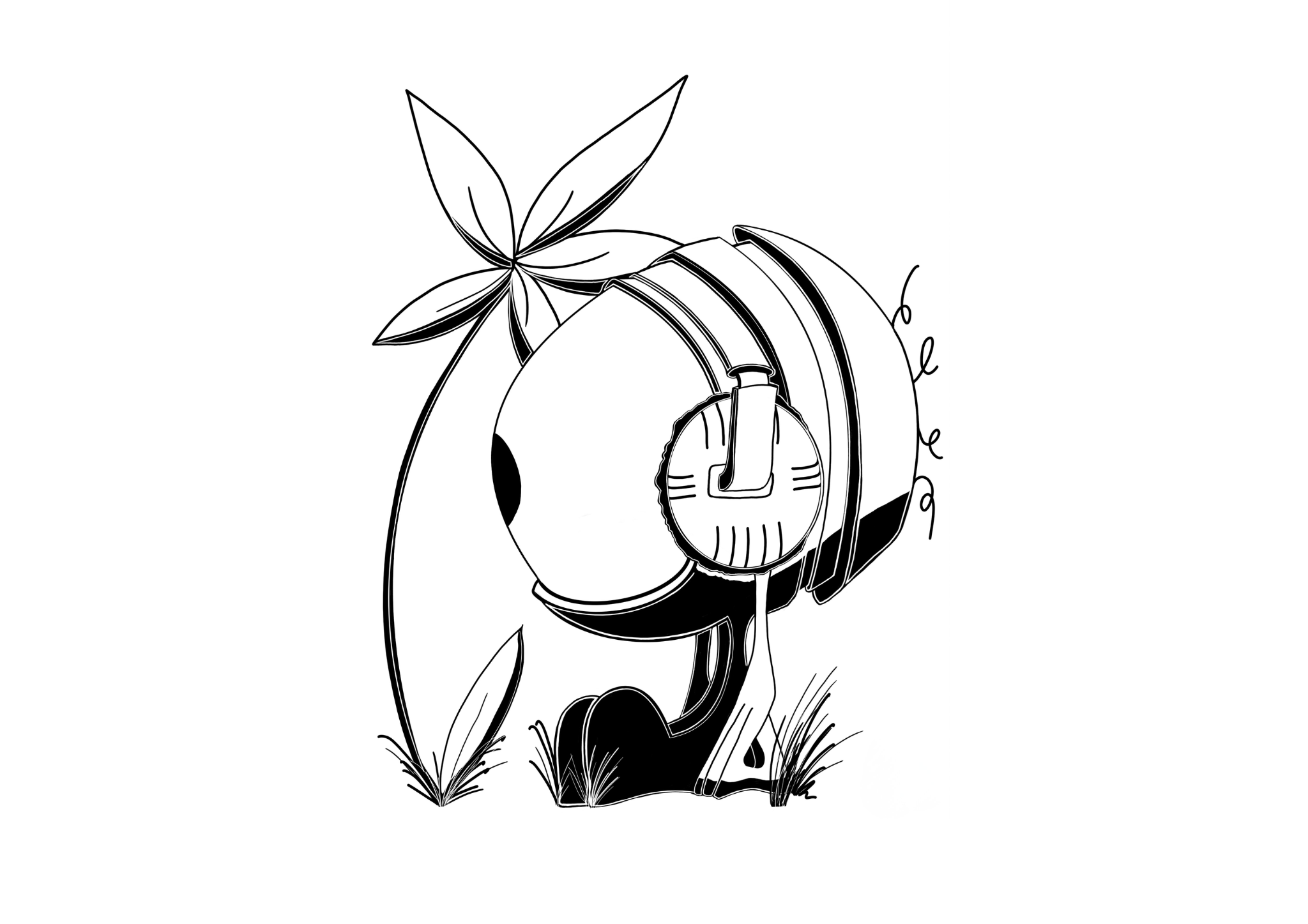
A robot is usually considered done when it completes a task, reaches a goal, or receives confirmation that it has performed correctly, but this definition is mostly for humans who like clear endings. I don’t think robots experience completion that way. When looking at other robots they are often shown in motion, still optimising, still trying to improve something that may not need improving at all.
When they are done, you can see there’s no visible urgency to fix, refine, or correct anything. It doesn’t look proud or relieved, but settled, as if nothing more is being asked of it and nothing more is being offered.
To know when a robot is done, you have to look for the moment it stops negotiating with itself. It just sits there trying to avoid justifying its presence or usefulness. It isn’t looking for the next instruction, and it isn’t resisting one either. If you can stand in front of it without feeling that something should happen next, without wanting it to move, explain itself, or continue. Then the robot is done.
If you’re curious to see what that looks like in practice, there are more finished robots elsewhere on this site. They’re not doing much. That’s how you can tell.